3D Rendering Room for Kids Empty Frame
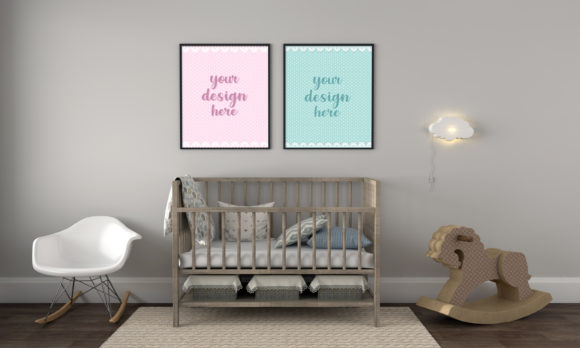
When it comes to showcasing your creative work, the right background can make all the difference. That’s where a 3D rendering room for kids with empty frames becomes an invaluable tool. This digital illustration presents a clean, positive minimalist environment designed specifically for children’s spaces but versatile enough to serve as a powerful canvas for any kind of artwork, design, or branding project. Whether you're a shop owner, artist, blogger, or entrepreneur, this mockup gives you the flexibility to present your visuals in an appealing and realistic setting without the hassle of building a scene from scratch.
What Is a 3D Rendering Room for Kids Empty Frame?
A 3D rendering room for kids empty frame is essentially a high-resolution digital image of a child-friendly interior space featuring blank picture frames on the walls. These frames act as placeholders, allowing you to insert your own designs, photos, illustrations, or patterns. The room itself is crafted in a minimalist style—clean lines, neutral tones, and soft lighting—that complements most visual content while keeping the focus on what you add into the frames.
This type of mockup is particularly useful when you need to show how your product would look in real life, especially if you’re marketing art prints, wallpapers, educational materials, or decorative items. It eliminates the need for physical photo shoots and provides a consistent backdrop that highlights your creativity in a professional way.
Why Choose a Minimalist 3D Room Mockup?
Minimalism isn’t just a design trend—it’s a mindset. A minimalist 3D room offers a sense of calm and clarity, which is perfect for showcasing detailed or colorful artwork. Here's why many creators prefer using such mockups:
- Clutter-free presentation: Empty frames and neutral decor ensure your design stands out without distractions.
- Realistic depth: Unlike flat templates, a 3D-rendered room adds dimension and spatial context to your visuals.
- Time-efficient: You don’t have to build a set or hire a photographer. Just open the file and place your artwork.
- Cost-effective: Reuse the same mockup across multiple projects to save money and streamline your workflow.
These mockups are ideal for businesses that want to maintain a cohesive brand image. They’re also great for educators who need to visualize classroom decorations or for bloggers looking to create engaging lifestyle posts around home décor for kids.
Applications Across Different Industries
The beauty of a 3D rendering room lies in its adaptability. Let’s explore how various professionals can benefit from using it:
For Shop Owners
If you sell kid-friendly products like wall art, stickers, or educational posters, these mockups allow you to display your offerings in a realistic setting. Imagine a customer scrolling through your online store and seeing how a whimsical dinosaur print looks in a cozy bedroom. Suddenly, your product feels tangible and desirable.
Use the high-resolution JPEG (5000 x 3000px) version directly on your e-commerce site. For more control, the PSD file with smart objects lets you easily replace each frame with your latest design, ensuring your website always looks fresh and updated.
For Artists and Designers
Artists often struggle to present their work in a way that reflects how it will look in someone else’s space. With a 3D rendering room, you can simulate different environments quickly. Try overlaying watercolor landscapes, geometric patterns, or playful typography into the frames to see how they interact with light and shadows in a virtual room.
It's also a fantastic tool for pitching ideas to clients. When presenting a new design concept, showing it in context helps potential buyers visualize the final product better than a standalone image ever could.
For Bloggers and Content Creators
Bloggers and influencers in the parenting, education, or lifestyle niches can use this mockup to create compelling visuals for social media or articles. A post about “Creative Ways to Decorate a Kid’s Room” gains instant credibility when accompanied by realistic images that showcase your suggestions.
You can even create a series of posts by changing the frames each time. One week feature educational prints; the next, fun cartoon characters. The mockup becomes a recurring element in your content strategy, reinforcing your brand identity while providing variety and freshness.
How to Use a 3D Rendering Room for Kids Empty Frame
Using a 3D room mockup is surprisingly straightforward. Most files come in Photoshop format (PSD), complete with smart objects so you can simply double-click and replace the placeholder image with your own. Here’s a quick breakdown of the process:
- Open the PSD file in Photoshop.
- Locate the smart object layer for each frame.
- Double-click the smart object and paste your artwork inside.
- Save the file and export it as JPEG for use on websites or social platforms.
Once you’ve mastered the basics, you can start experimenting with different styles. Add a bold wallpaper behind the frames, change the color of the furniture slightly, or adjust the lighting for a more dramatic effect. The possibilities are endless, and the ease of editing makes it simple to test out variations without starting over each time.
Practical Inspiration for Creative Projects
Let’s get practical with some ideas to spark your creativity:
- Showcase seasonal collections: Overlay holiday-themed prints during December or springtime pastels in March to keep your content timely and relevant.
- Create themed blog posts: Use the same mockup to feature DIY projects, educational tools, or calming bedroom setups. Change the frames and content to match the theme.
- Build brand consistency: Incorporate your logo or signature colors into the frames to reinforce your brand identity across promotional materials.
- Design packaging or labels: Visualize how your product label would look on a wall or integrated into a larger room design.
- Test color schemes: See how different hues of your artwork affect the mood of the space before making final production decisions.
One popular approach is to create a “room tour”-style post where you gradually fill in the frames with different designs. This not only showcases your portfolio but also tells a story—how a single space can transform based on the artwork you choose.
Tips for Clear and Effective Results
To make the most of your 3D rendering room mockup, follow these best practices:
- Maintain consistency: Stick to a similar style or color palette when adding artwork to avoid overwhelming the viewer.
- Balance the layout: Don’t overload every frame at once. Leave some empty for visual breathing room, especially if the room has multiple focal points.
- Match the lighting: If your artwork includes bright colors or intricate details, consider adjusting the mockup’s lighting to highlight those features effectively.
- Optimize for different formats: Resize and crop the mockup appropriately for Instagram posts, Pinterest pins, or website banners to maximize engagement.
Also, think about the message you want to convey. A serene, nature-inspired room may appeal to parents seeking calming environments for their children, while a vibrant, playful setup might attract educators or daycare providers. Tailoring your mockup to your audience ensures your visuals resonate more deeply.
Reusability and Long-Term Value
One of the biggest advantages of using a 3D rendering room is its reusability. Once you’ve invested in a high-quality mockup, you can repurpose it for countless projects. For instance, a teacher might use it to demonstrate how student artwork could be displayed in a classroom. A graphic designer might reuse it to present pattern samples for fabric or wallpaper manufacturers.
By keeping the base design the same and swapping out the artwork, you can maintain a consistent aesthetic across campaigns, newsletters, or social media. This not only saves time but also builds a stronger brand presence by giving your audience something familiar to latch onto.
Where to Start: Real-World Examples
Here are a few examples of how others have used similar mockups to elevate their work:
- An independent artist uses the mockup to promote a new line of children’s art prints. Each social media post features a different piece in the same room, creating a sense of continuity and professionalism.
- A small business owner selling educational toys overlays product images onto the wall mockup, simulating a learning corner in a child’s room. This helps customers imagine the product in action.
- A blogger creates a monthly “Room Makeover” series using the mockup. Each month, she changes the frames to reflect different themes—literacy, mindfulness, play-based learning—and documents her choices in accompanying posts.
These real-world applications prove that the 3D rendering room for kids empty frame is more than just a template—it’s a dynamic part of your creative toolkit.
Conclusion
From shop owners to artists, educators to marketers, the 3D rendering room for kids empty frame offers a unique and efficient way to present your work in a realistic yet flexible environment. Its minimalist design ensures your visuals take center stage, while the high resolution and smart object layers make customization easy and fast.
Investing in a quality mockup like this one can help you streamline your creative process, reduce costs, and deliver more impactful presentations. Whether you're launching a new product, sharing a personal project, or designing for a client, this resource empowers you to bring your ideas to life in a clean, professional manner.
If you're ready to simplify your workflow and enhance your visual storytelling, consider incorporating a 3D rendering room for kids empty frame into your next project. You’ll find it’s a versatile and valuable asset that supports both creativity and clarity.