Cowboy Hat Western 3D Layered Art: A Gateway to Creative Expression
The Cowboy Hat Western 3D Layered Art collection presents a unique and versatile resource for artists, crafters, and designers who seek to bring the spirit of the American West into their projects. These digital files are more than just visual representations; they are tools that can be adapted, modified, and integrated into various creative workflows. The designs encapsulate the iconic imagery of cowboy culture while offering the flexibility needed to suit a broad range of artistic endeavors.
Understanding 3D Layered Art Files
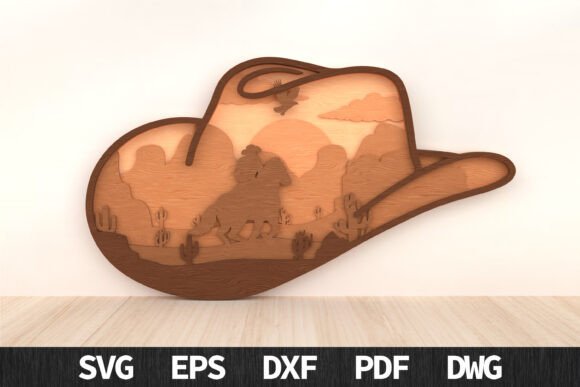
3D layered art is a design format that allows multiple elements of an image to remain separate in layers, enabling users to edit, reposition, or replace individual components without affecting the entire artwork. In the case of Cowboy Hat Western 3D Layered Art, each file is meticulously crafted with distinct layers such as the brim, crown, hatband, feathers, and any additional embellishments like stars or stitching patterns. This level of detail empowers users to customize every aspect of the cowboy hat to match their specific vision.
The zip folder containing these files includes multiple formats—SVG, DXF, EPS, PDF, and DWG—each serving different purposes depending on the software or machine being used. For example, SVG (Scalable Vector Graphics) is ideal for digital editing and web use, while DXF (Drawing Exchange Format) is widely supported by CNC machines and laser cutters. EPS (Encapsulated PostScript) is commonly used in print design, and PDF ensures compatibility across platforms for viewing and printing. DWG, typically used in CAD environments, provides precise geometry for architectural or technical applications. This multi-format availability makes the collection accessible to both hobbyists and professionals using a variety of tools.
Applications Across Industries
The adaptability of Cowboy Hat Western 3D Layered Art opens up a world of possibilities across several industries. From home decor to fashion, the designs can be tailored to fit almost any project. Here are some of the most common and impactful uses:
- Home Decor: Use the cowboy hat designs to create wall art, canvas prints, wooden signs, or even custom furniture inlays. The layered structure allows you to experiment with color schemes and materials, making it easy to match your personal style or the theme of a room.
- Fashion and Textiles: Whether you're designing embroidered patches, screen-printed t-shirts, or leather accessories, the versatility of these files lets you scale and position the hat graphics precisely where needed. They’re especially popular in Western-themed apparel, adding a touch of authenticity and flair.
- Stationery and Paper Goods: Incorporate the cowboy hat motif into greeting cards, invitations, and packaging. The clean lines and detailed textures of the 3D models translate beautifully into print, ensuring high-quality results every time.
- Product Packaging: Businesses selling Western-themed products, from boots to belt buckles, can leverage these designs to enhance their branding. The layered nature supports intricate layering effects when printed or embossed onto packaging materials.
- Custom Gifts: Personalized items such as engraved plaques, mugs, keychains, or wood carvings benefit greatly from these designs. Users can modify the hat’s appearance to reflect a person's personality or add names and dates for a truly bespoke touch.
Why Choose 3D Layered Art?
There are many reasons why 3D layered art is becoming increasingly popular among creators. One of the main advantages is the ability to maintain high resolution and detail regardless of how much the design is scaled. Unlike raster images, which lose quality when enlarged, vector-based formats ensure crisp edges and clear outlines at any size.
Additionally, the separation of elements within the layers gives users unparalleled control over the final product. Want to change the texture of the hat? Swap out the band for something more ornate? Or perhaps adjust the shadow depth to give it a more dramatic effect? All of these modifications are possible with minimal effort, thanks to the thoughtful layering system.
This kind of flexibility is invaluable in today’s fast-paced creative landscape. It allows for rapid prototyping and iteration, whether you're working on a one-off project or preparing a large batch of custom merchandise. Furthermore, because the files are compatible with so many types of cutting and engraving machines, including Cricut, Silhouette, and Epilog lasers, they cater to a wide audience—from DIY enthusiasts to commercial manufacturers.
Use Cases for Different Skill Levels
While Cowboy Hat Western 3D Layered Art may seem complex at first glance, it is designed to accommodate varying levels of expertise. Beginners will find the pre-layered components helpful for learning basic editing techniques, while experienced designers can take full advantage of the advanced features available in vector design software like Adobe Illustrator or CorelDRAW.
Hobbyists often use these files to create personalized crafts for family and friends, such as custom picture frames or hand-painted canvases. Educators might integrate them into classroom activities to teach students about design principles, cultural symbolism, or the mechanics of vector graphics. Researchers could analyze the evolution of cowboy iconography through these layered assets, and business owners frequently incorporate them into marketing materials or branded products to appeal to niche markets.
Workflow Integration and Practical Tips
To make the most of these designs, it's essential to understand how they can be integrated into your workflow. Start by selecting the appropriate file format based on your output method. If you plan to cut the design with a laser or vinyl cutter, DXF or SVG files are typically the best choices. For print work, EPS or PDF formats offer the highest fidelity and ease of integration into design layouts.
Once you've chosen a format, import the file into your preferred design software. Take note of how the layers are organized—this will vary slightly between file types but generally follows a logical order that reflects the physical structure of the hat. You can then adjust colors, add gradients, or even animate the design if you're working in a dynamic medium like digital signage or interactive media.
For those new to working with layered art, consider starting with a simple modification before diving into more complex edits. Changing the color of the hatband or adjusting the angle of the feather can significantly alter the look without requiring advanced skills. As you become more comfortable, explore combining multiple hats or integrating them with other Western motifs like horses, cacti, or desert landscapes to build more elaborate compositions.
Considerations for Long-Term Use
When using Cowboy Hat Western 3D Layered Art, it's important to think about how the design will perform over time. For instance, if you're planning to use the files for mass production, ensure that your software and equipment support the selected format and that the resolution is suitable for the intended application. Also, keep in mind the material you'll be working with—some surfaces may require certain adjustments in line weight or layer positioning to achieve the best result.
Another consideration is licensing. While this article doesn’t address specific usage rights, always verify the terms under which you received the files. Some collections may allow for personal use only, while others grant commercial permissions. Understanding these details helps prevent legal issues down the line and ensures that your creative efforts remain compliant with industry standards.
Real-World Examples of Creativity
Let’s take a look at how real users have applied Cowboy Hat Western 3D Layered Art in innovative ways:
- A local artisan used the designs to create a series of wooden wall hangings that were sold at a regional craft fair. By changing the wood grain and paint finish in different versions, she was able to showcase the diversity of styles possible with the same base design.
- A graphic designer incorporated the layered art into a client’s branding package for a rodeo-themed restaurant. The hats were used in logos, menu headers, and promotional posters, maintaining consistency while allowing for subtle variations in each piece.
- An educator taught a lesson on cultural symbols by having students manipulate the hat’s layers to reflect different interpretations of Western heritage. This hands-on approach helped students grasp the significance of design in storytelling and identity representation.
- A small business owner utilized the designs to personalize gift boxes for customers celebrating milestones like birthdays or anniversaries. Each box featured a uniquely styled hat, making the product feel more exclusive and tailored.
Tips for Maximizing Versatility
To unlock the full potential of these files, consider the following tips:
- Layer Exploration: Spend time understanding how the layers interact. Adjusting visibility or locking unnecessary layers can help you focus on the parts you want to modify.
- Material Matching: When preparing the design for a physical medium, match the layer colors to the material’s natural tones. For example, using earthy hues for a leather jacket or metallic finishes for a plaque enhances realism and impact.
- Combine with Other Elements: Don’t limit yourself to standalone hats. Merge them with other Western symbols or abstract shapes to create more engaging visuals. Think about how the hat interacts with its surroundings in your composition.
- Test Before Final Output: Especially for commercial or public-facing projects, test the design on a sample material before going into full production. This helps identify any scaling issues or aesthetic inconsistencies early on.
Future Trends and Relevance
As digital design continues to evolve, the demand for customizable and adaptable assets like Cowboy Hat Western 3D Layered Art is growing. With the rise of personalization in consumer goods and the increasing popularity of home crafting, these kinds of resources are becoming indispensable. Moreover, the trend toward sustainability in design and manufacturing means that having reusable, modifiable templates is not just convenient—it’s also environmentally responsible.
In the realm of education and research, these files serve as valuable tools for exploring themes related to American history, pop culture, and design theory. Their structured format makes them ideal for studying composition, symbolism, and visual hierarchy in a way that static images cannot convey.
Conclusion
The Cowboy Hat Western 3D Layered Art collection represents a powerful blend of tradition and technology. Whether you're a seasoned professional or a curious beginner, these files provide a solid foundation for bringing your ideas to life. By understanding their structure, choosing the right format for your needs, and experimenting with different applications, you can harness the full creative potential of this unique asset set. Let your imagination run wild and discover the countless ways to incorporate these timeless designs into your next project.