How to Use 3D Text Effect Graphic Element Design for Professional and Creative Projects
In today’s visually driven world, design elements play a crucial role in capturing attention and conveying messages effectively. One such powerful tool is the 3D text effect graphic element design. This technique adds depth, dimension, and visual appeal to text, making it stand out on any platform or medium. Whether you're a designer, marketer, or content creator, understanding how to leverage these effects can enhance your work and make it more engaging.
What Is a 3D Text Effect Graphic Element?
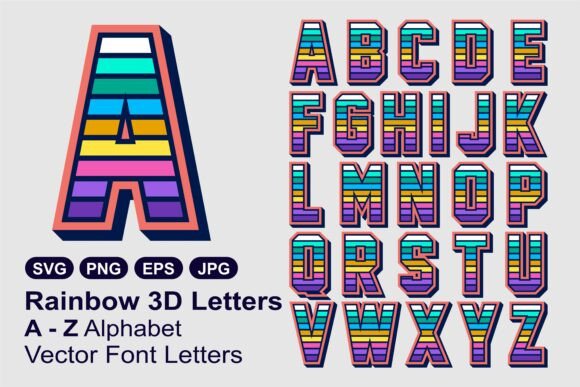
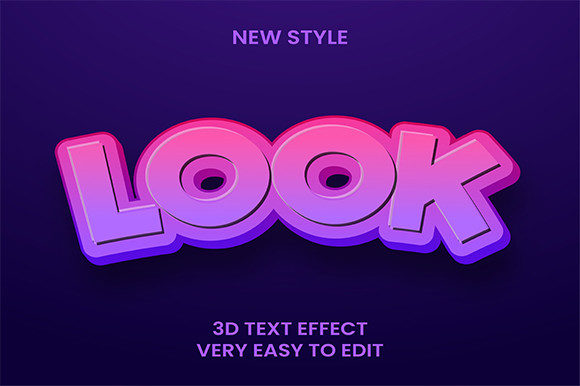
A 3D text effect graphic element refers to a stylized text design that gives the illusion of three-dimensionality. These designs are often used in digital art, branding, presentations, and web graphics to create a sense of realism or artistic flair. The key to their popularity lies in their ability to transform simple typography into something dynamic and eye-catching.
The phrase “This is a 3D Text Effect Graphic Element design” might sound like just another design label, but it represents a specific set of characteristics that distinguish it from standard 2D text. These include lighting, shadowing, layering, and perspective—features that give the text a lifelike appearance when rendered properly.
Key Features and Benefits
- Easy Customization: Many 3D text effect templates come with editable RGB color settings, allowing users to tailor the design to match their brand or project theme without requiring advanced skills.
- High Resolution: These files are typically provided at 300 DPI resolution, ensuring clarity and sharpness whether printed or displayed digitally.
- Compatibility: Files included in the latest versions, such as Adobe CS3, offer flexibility for use across various platforms and software.
- Single File Format: The inclusion of one AI file means creators can easily integrate the design into vector-based workflows, making scaling and editing more efficient.
Thanks to these features, the 3D text effect graphic element becomes a versatile asset for both personal and professional projects. Its adaptability makes it suitable for print media, digital banners, social media posts, website headers, and even product packaging.
Who Can Benefit from Using 3D Text Effects?
While designers may be the most obvious beneficiaries, the applications of 3D text effects extend far beyond the creative industry. Here's who can benefit:
- Marketing Professionals: Use 3D text effects to create compelling ad campaigns, promotional materials, and event posters.
- Business Owners: Incorporate them into logos, signage, and branding assets to add a modern and sophisticated touch.
- Content Creators: From YouTubers to bloggers, these effects can elevate thumbnails, titles, and infographics.
- Graphic Design Students: Ideal for learning how to manipulate text in 3D space and apply realistic effects.
- Web Developers: Enhance UI/UX elements by integrating 3D text into landing pages or interactive menus.
Real-World Applications of 3D Text Effects
Let’s look at some practical examples where 3D text effects shine:
- Event Posters: A festival or concert poster using 3D text can immediately draw the viewer’s eye and convey energy and excitement.
- Product Packaging: Luxury brands often use 3D text to highlight product names or taglines, giving them an elegant and premium feel.
- Social Media Content: Eye-catching Instagram stories or Facebook banners with 3D text can improve engagement and click-through rates.
- Corporate Presentations: When used sparingly, 3D text effects can emphasize key points without overwhelming the audience.
Each of these scenarios shows how the 3D text effect graphic element can be adapted to suit different needs while maintaining its core value: enhancing visual communication.
Strengths and Limitations to Consider
Despite their versatility, 3D text effects aren't always the best choice. It's important to understand their strengths and limitations before deciding to use them:
Strengths
- Visual Impact: 3D text commands attention and can help reinforce the message being delivered.
- Brand Differentiation: Unique text styles can help businesses stand out in a crowded market.
- Creative Freedom: With customizable colors and layers, there's room for experimentation and personal expression.
Limitations and Considerations
- Overuse Risks: Too many 3D effects can distract from the main message and reduce readability.
- Software Compatibility: While Adobe CS3 is still functional, newer software may require additional steps to open and edit AI files from older versions.
- Printing Constraints: Always verify that the final output maintains quality when printed, especially if the design relies heavily on gradients or shadows.
Getting Started with 3D Text Effect Designs
If you're new to working with 3D text effects, the process might seem intimidating at first. However, with the right tools and mindset, it can become second nature. Start by opening the AI file in Adobe Illustrator and exploring the layers. Most 3D text effects are built using multiple shapes and gradients to simulate depth and light reflection.
Here are a few tips to keep in mind:
- Use the Right Tools: Ensure you have the latest version of Adobe Illustrator installed for smoother performance and better compatibility.
- Edit Smartly: Focus on adjusting colors, lighting angles, and shadows rather than trying to restructure the entire design unless necessary.
- Test Across Platforms: Before finalizing the design, check how it appears on different screens and in print to avoid unwanted distortions or loss of detail.
Remember, the goal isn’t just to add a 3D effect but to ensure that the text remains legible and aligns with the overall design aesthetic.
Evaluating Suitability for Your Project
Not every project will benefit from a 3D text effect. To determine if it's the right fit, ask yourself a few questions:
- Does my project need a strong visual hook to attract attention?
- Will the 3D text complement the rest of the design without clashing?
- Do I have the technical resources (software, expertise) to implement and modify the design effectively?
- Is the final output going to be viewed primarily online or in print?
Answering these questions can help you decide whether the 3D text effect graphic element is appropriate for your use case. For instance, a minimalist website header might not need a bold 3D text effect, whereas a gaming app logo could thrive with it.
Where to Find and How to Acquire 3D Text Effect Templates
There are numerous online marketplaces and design communities offering high-quality 3D text effect graphic elements. Look for platforms that provide clear descriptions, previews, and user ratings. Since this design was last used in Adobe CS3, consider whether you need support for newer versions or if you’re comfortable working within the constraints of older software.
When purchasing or downloading such templates, always confirm what's included. In this case, the package includes one AI file. That means you won’t find raster images inside the file—you’ll need to export them manually if required for non-vector uses.
Best Practices for Working with 3D Text Elements
To get the most out of your 3D text effect graphic element design, follow these best practices:
- Stay Consistent: Match the style of the 3D text with other design elements to maintain harmony in your layout.
- Balance Simplicity and Complexity: Avoid overloading your design with too many effects. Less is often more when it comes to effective visual communication.
- Experiment with Lighting: Adjust the light source and shadows to see how they affect the perception of depth and realism.
- Optimize for Performance: If using the design online, consider simplifying layers or exporting optimized versions to prevent slow load times.
Final Thoughts
The 3D text effect graphic element design is more than just a trendy visual trick—it’s a strategic tool that can enhance your message and engage your audience. By understanding its purpose, capabilities, and limitations, you can use it thoughtfully and effectively in your projects. Whether you're designing for a business, a client, or personal use, taking the time to explore and refine your approach to 3D text will pay off in the form of more impactful and memorable visuals.